In short
Choose a pump from its duty point — the flow and head it must deliver — and the space available: end-suction for general duty, vertical in-line to fit straight into a pipe run, and vertical multistage for high head at moderate flow. Check NPSH to avoid cavitation.
Key facts
- Size every pump to a duty point: required flow (m³/h) and total head (m).
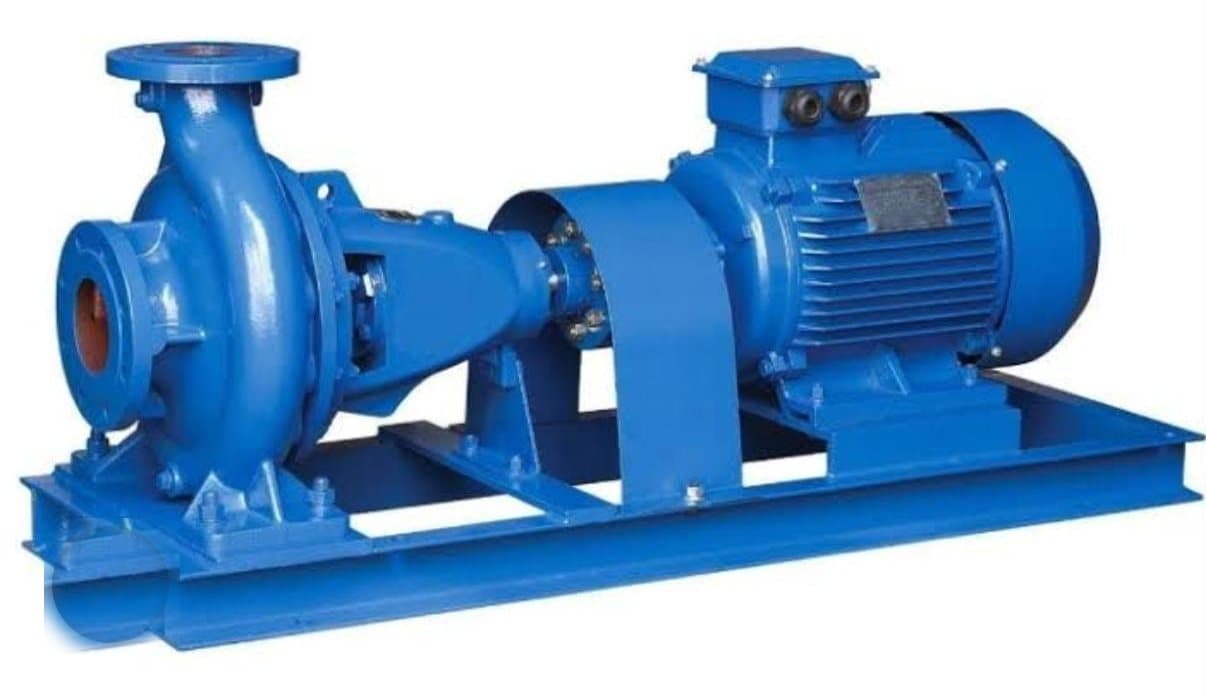
- End-suction back pull-out pumps are the general-purpose workhorse for water and process duty.
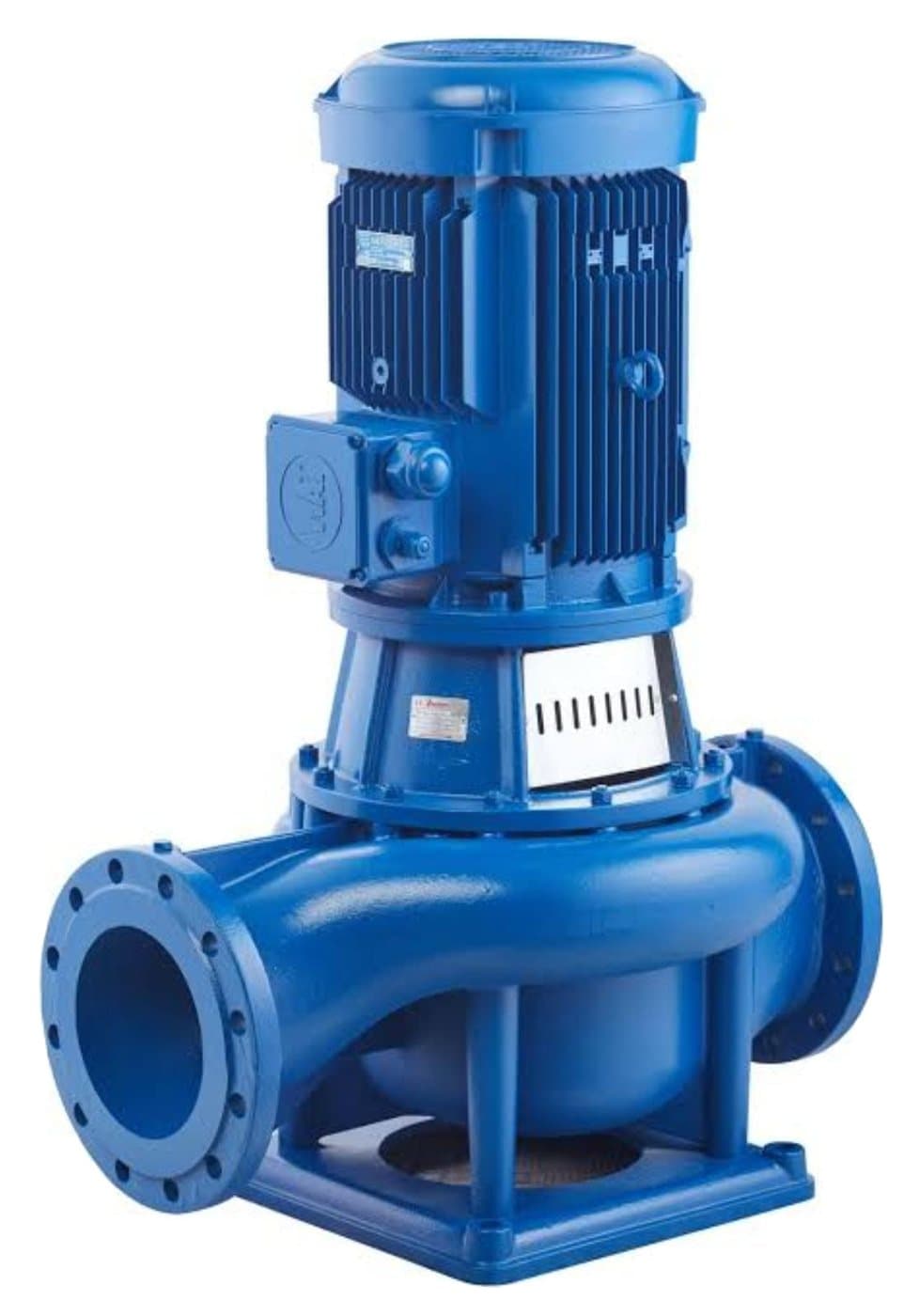
- Vertical in-line pumps save floor space by dropping straight into the pipe run.
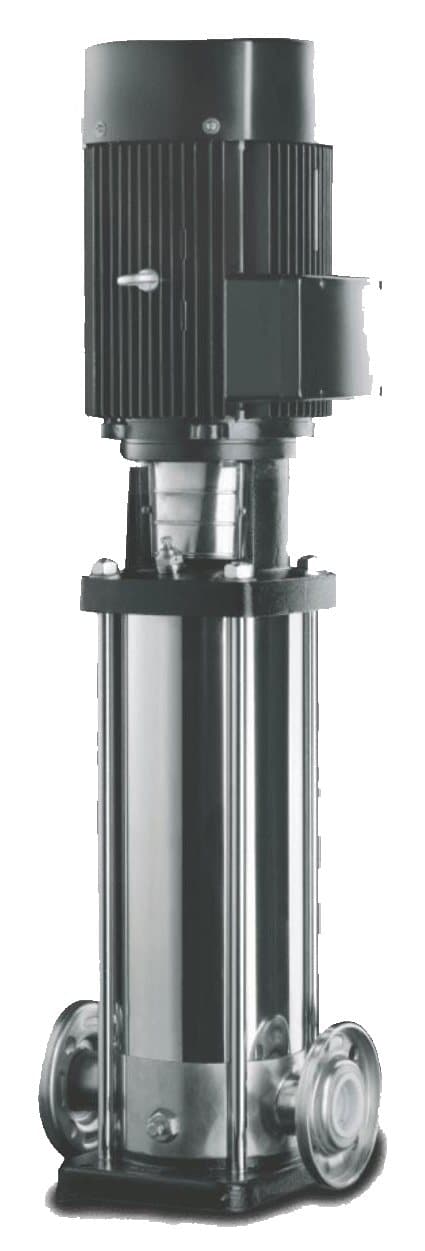
- Vertical multistage pumps deliver high head — boiler feed, RO feed and pressure boosting.
- A plate heat exchanger needs cleaning or re-gasketing when its outlet temperatures drift, its pressure drop rises or it starts to leak.
Most pump problems — high power bills, noisy running, seal failures, cavitation — trace back to a pump that was chosen for the wrong duty. Selection starts with numbers, not with a brand.
Step 1: define the duty point
- Flow (Q) — how much liquid you need to move, in m³/h.
- Total head (H) — the height the liquid must be lifted plus the friction losses in pipes, valves and equipment, in metres.
- Liquid — water, hot water, oil, chemicals or liquid with solids, and its temperature.
A pump running far away from its best efficiency point (BEP) wastes energy and wears its bearings and seals faster. Oversizing "for safety" is one of the most common mistakes.
Step 2: check NPSH
Every pump needs a minimum pressure at its suction to stop the liquid from boiling inside the impeller. This is the NPSH required (NPSHr) from the pump curve. Your system provides NPSH available (NPSHa), which falls with hot liquid, a low suction tank or a long, narrow suction pipe. If NPSHa is not comfortably above NPSHr, the pump cavitates — it sounds like gravel, loses performance and erodes the impeller.
Step 3: choose the pump type
| Pump type | Best for | Typical range |
|---|---|---|
| End-suction centrifugal | General water transfer, cooling water, process | Up to around 500 m³/h, 100 m head |
| Vertical in-line | HVAC, cooling circuits, booster sets where space is tight | Up to around 400 m³/h |
| Vertical multistage | Boiler feed, RO feed, washdown, pressure boosting | High head, up to around 250 m |
End-suction centrifugal pumps
The end-suction centrifugal pump on a baseplate with its motor is the industrial standard, built to EN 733 / DIN 24255 dimensions. Back pull-out construction lets you withdraw the rotating element for maintenance without disturbing the pipework.
Vertical in-line pumps
A vertical in-line pump has its suction and discharge on the same centreline, so it fits straight into a horizontal pipe run without a separate foundation. It is the usual choice for chilled-water and cooling circuits in plant rooms with little floor space.
Vertical multistage pumps
A vertical multistage pump stacks several impellers to build high pressure in a small footprint, with stainless wetted parts. It is used for boiler feed, RO feed and pressure boosting.
New or reconditioned?
A new pump gives a full warranty and the latest efficiency. A tested reconditioned pump can make sense when budget or lead time matters more than a warranty card — for example, to get a line running before a shutdown deadline. We supply both, and rebuild existing pumps through our machine work service.
Plate heat exchangers: when do they need service?
A plate heat exchanger (PHE) transfers heat through a pack of thin plates sealed with gaskets. Its performance falls gradually as plates foul with scale, silt or biological growth. Signs that a PHE needs attention:
- Outlet temperatures drifting away from design — the unit is no longer doing its duty.
- Pressure drop across the unit rising.
- External leaks at the gaskets.
- Cross-contamination between the two fluids, which points to a damaged plate.
Gasket and plate materials
| Gasket | Suits |
|---|---|
| NBR (nitrile) | Water, oils, fats |
| EPDM | Hot water, steam, many chemicals — not oils |
| Viton (FKM) | Higher temperatures, aggressive chemicals, oils |
SS 316 plates suit most water and process duty; titanium plates are used where chlorides would attack stainless steel, such as seawater and some brines. A PHE can be cleaned, re-gasketed or re-plated rather than replaced.
Get a pump or PHE quotation
Send the flow, head, liquid, temperature and the existing pump's nameplate, if there is one. We will suggest a suitable pump or quote for re-gasketing your exchanger. See the pumps and PHE range or send an enquiry.
Frequently asked questions
How do I select the right pump size?
Calculate the required flow in m³/h and the total head in metres (static lift plus friction losses), then choose a pump whose best efficiency point is close to that duty. Also check that the NPSH available at the suction is comfortably higher than the NPSH required by the pump.
What is pump cavitation and how do I stop it?
Cavitation happens when the suction pressure is too low and the liquid boils inside the impeller, forming bubbles that collapse violently. It sounds like gravel and erodes the impeller. Fix it by raising the suction level, using a larger or shorter suction pipe, lowering the liquid temperature or choosing a pump with a lower NPSH requirement.
When should I use a vertical multistage pump?
Use a vertical multistage pump when you need high pressure (head) at a moderate flow — boiler feed, RO feed, washdown and pressure boosting are typical applications.
How often should a plate heat exchanger be cleaned?
It depends on the fluids and water quality. Clean or service it when outlet temperatures drift from design, the pressure drop rises noticeably or gaskets begin to leak. Plants with hard or dirty water usually need more frequent cleaning.